

 Español
 Русский
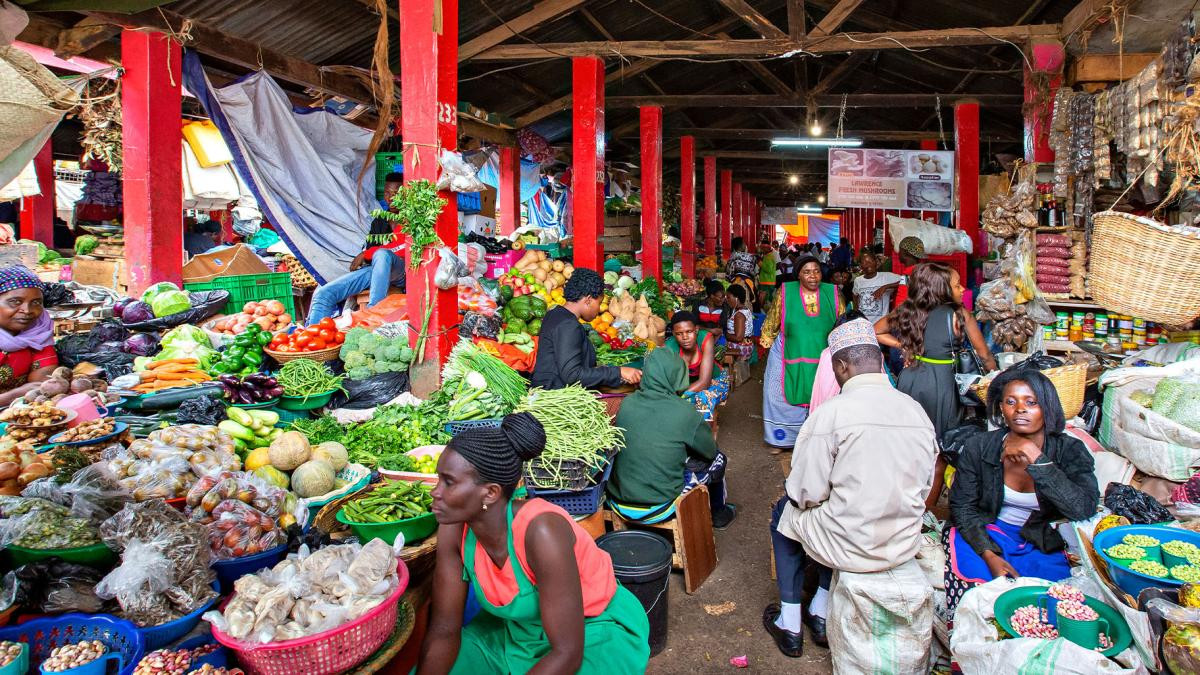
Uganda Agricultural Exports and Key Products for B2B Sourcing
Uganda remains a notable supplier of agricultural products from East Africa, but its export structure is far from uniform. Coffee stands apart, generating billions of dollars in export revenue, while cocoa exports are growing rapidly. Alongside them are much smaller categories, including sugar, fish, fresh fruits and vegetables, corn, beans, tea, and sesame. International buyers also need to consider another defining feature of the market. Uganda is landlocked, so most containerized cargo travels through overland transport corridors to ports in neighboring countries, while some perishable products are shipped through Entebbe.
Quick Answer
-
Uganda's formal merchandise exports totaled approximately $8.04 billion in 2024, according to WITS/UN Comtrade.
-
Coffee remains the country's leading agricultural export commodity.
-
Cocoa beans have become one of Uganda's fastest-growing agricultural export categories.
-
Buyer geography varies significantly by product: coffee is primarily oriented toward Europe, while cocoa also has substantial demand in Asia.
-
For ocean freight, overland transit to Mombasa is critical, while Entebbe is used for some perishable exports.
Exports in Numbers
Based on my calculation of the 12 monthly values in the official Bank of Uganda and MoFPED series, Uganda's total exports, including informal cross-border trade, reached approximately $13.43 billion in 2025. This figure should not be treated as the value of agricultural exports, however, as more than $6.4 billion came from gold.
| Category | Exports in 2025 | Change vs. 2024 |
|---|---|---|
| Coffee | $2.46 billion | +59% |
| Cocoa beans | $632 million | +80% |
| Sugar | $227 million | +43% |
| Fish and fish products* | $158 million | +16% |
| Fruits and vegetables | $99 million | +23% |
| Corn | $82 million | -29% |
| Tea | $54 million | -1% |
* The national series excludes part of regional trade.
The 2025 figures reflect Uganda's national statistical series. For international comparisons, specific HS codes should also be cross-checked against UN Comtrade.
Key Export Products
Coffee
Coffee defines Uganda's position in the global agricultural market more than any other food commodity. In 2024, the country exported approximately 386,000 metric tons of green coffee worth $1.55 billion. Italy and Germany were the largest buyers, while other major markets included India, the United States, Spain, Morocco, Belgium, and the Netherlands.
For B2B buyers, Ugandan coffee is effectively a market of its own, with distinct production regions, licensing arrangements, traceability requirements, and lot specifications. These details are therefore better addressed in a dedicated guide to coffee sourcing from Uganda.
Cocoa
Cocoa remains considerably smaller than coffee in scale, but its importance is increasing rapidly. According to WITS, exports of cocoa beans under HS 180100 rose from $140.7 million in 2023 to $306.1 million in 2024. Major buyers included Malaysia, Indonesia, the Netherlands, Italy, and Switzerland.
This category is particularly relevant as a separate sourcing cluster because its destination markets, traceability requirements, and buyer expectations differ from those of the coffee trade.
Fish
Fish and fish products remain one of Uganda's notable non-commodity food exports. European markets are particularly important for fish fillets: in 2023, Belgium, Italy, and the Netherlands were among the leading buyers.
For importers, sourcing decisions in this category depend not only on price and origin but also on processor approval, sanitary documentation, and the integrity of the cold chain.
Sugar, Grains, and Fresh Produce
Sugar recorded a notable increase in export revenue in 2025. Corn and beans, by contrast, are more volatile and more closely tied to regional trade within East Africa.
Fresh fruits and vegetables represent a smaller category by value but constitute a distinct B2B segment. Delivery times and phytosanitary controls are especially important for these shipments. Tea and sesame further diversify Uganda's agricultural export basket, although their export values remain well below those of coffee and cocoa.
Where Uganda Exports Its Agricultural Products
Uganda's overall list of trading partners can be misleading when assessing agricultural exports. In recent years, the United Arab Emirates has gained significant weight in the country's aggregate trade statistics, primarily because of gold exports.
Agricultural products have their own market geography. Europe is the main destination for Ugandan coffee. Cocoa is distributed across both European and Asian processing markets. For processed food products under HS 16-24, significant destinations in 2023 included Kenya, the Democratic Republic of the Congo, South Sudan, Indonesia, and Malaysia.
Destination markets are therefore best analyzed by individual product and HS code rather than at the country level alone.
How the Logistics Network Works
Uganda has no coastline. Its primary connection to international container shipping is the Northern Corridor through Kenya and the Port of Mombasa. The Mombasa-Kampala route covers approximately 1,169 km, meaning ocean freight must be combined with overland transit and border procedures.
The Central Corridor to the Port of Dar es Salaam in Tanzania provides an alternative route. Entebbe International Airport is important for some fresh, high-value, perishable products. In 2025, the airport handled approximately 69,600 metric tons of cargo, with aviation authorities specifically identifying fresh produce, fish, and flowers among its export categories.
For buyers, this means lead times should be assessed across the entire transport chain rather than based solely on the ocean freight leg.
What B2B Buyers Should Consider
Due diligence on a Ugandan supplier should begin with the legal entity and its authorization to export the specific product. Buyers should then verify lot origin, specifications, quality, packaging, traceability, and the documentation required by the destination market.
Permit requirements vary by category. Plant products may require a phytosanitary certificate, while fish products are subject to separate sanitary controls. Coffee exporters operate under MAAIF licensing requirements. Current procedures for key commodities are available through the Uganda Trade Portal.
Before signing a contract, buyers should also agree on the minimum order quantity, Incoterms, supply season, inspection procedures, and laboratory parameters applicable to the specific product and importing country.
Where to Find Suppliers
On AllFoods Market, buyers can start with the Uganda producers and products page.
Dedicated selections are already available for coffee, frozen fish, corn, and tea. As the country content cluster develops, these can be supplemented with dedicated market guides covering coffee, cocoa, fish, and other export products.
FAQ
What is Uganda's leading agricultural export?
Coffee. Its export value is significantly higher than that of other agricultural categories. In 2025, Uganda's national statistical series shows approximately $2.46 billion in coffee export revenue.
What other products does Uganda export?
Notable export categories include cocoa beans, sugar, fish and fish products, fruits and vegetables, corn, beans, tea, and sesame. Their scale and destination markets vary considerably.
Which ports are used for exports from Uganda?
Uganda is landlocked. The main overland corridor leads to the Kenyan Port of Mombasa. The route to Dar es Salaam is used as an alternative, while perishable goods may be shipped by air through Entebbe.
Sources and Data
-
WITS / UN Comtrade for Uganda's total exports.
-
WITS / UN Comtrade for coffee exports.
-
WITS / UN Comtrade for cocoa exports.
-
Bank of Uganda and Ministry of Finance for current export statistics.
-
Uganda Trade Portal for export procedures.
-
Northern Corridor Transport Observatory for transit data.
-
Uganda Civil Aviation Authority for Entebbe cargo traffic.
AllFoods Market: Latest Blog Posts
-
Top 10 Supermarket Chains in Austria: A Brief Overview
Austria’s grocery retail market brings together national chains, international groups, discounter...
-
Top 10 Supermarket Chains in Belgium: A Brief Overview
Belgium’s grocery retail sector brings together national chains, international groups, discounter...
-
Olive Oil Producers in Spain for B2B Sourcing
Spain's olive oil sector combines cooperative mills, industrial processors, refiners, bottlers, a...
-
Top 10 Largest Grocery Chains in Italy
Italy’s grocery market is divided among cooperative groups, national supermarket brands, internat...
-
Top 10 Largest Grocery Chains in Sweden: A Brief Overview
An overview of Sweden's largest grocery retail chains, including store formats, geographic covera...