

 Español
 Русский
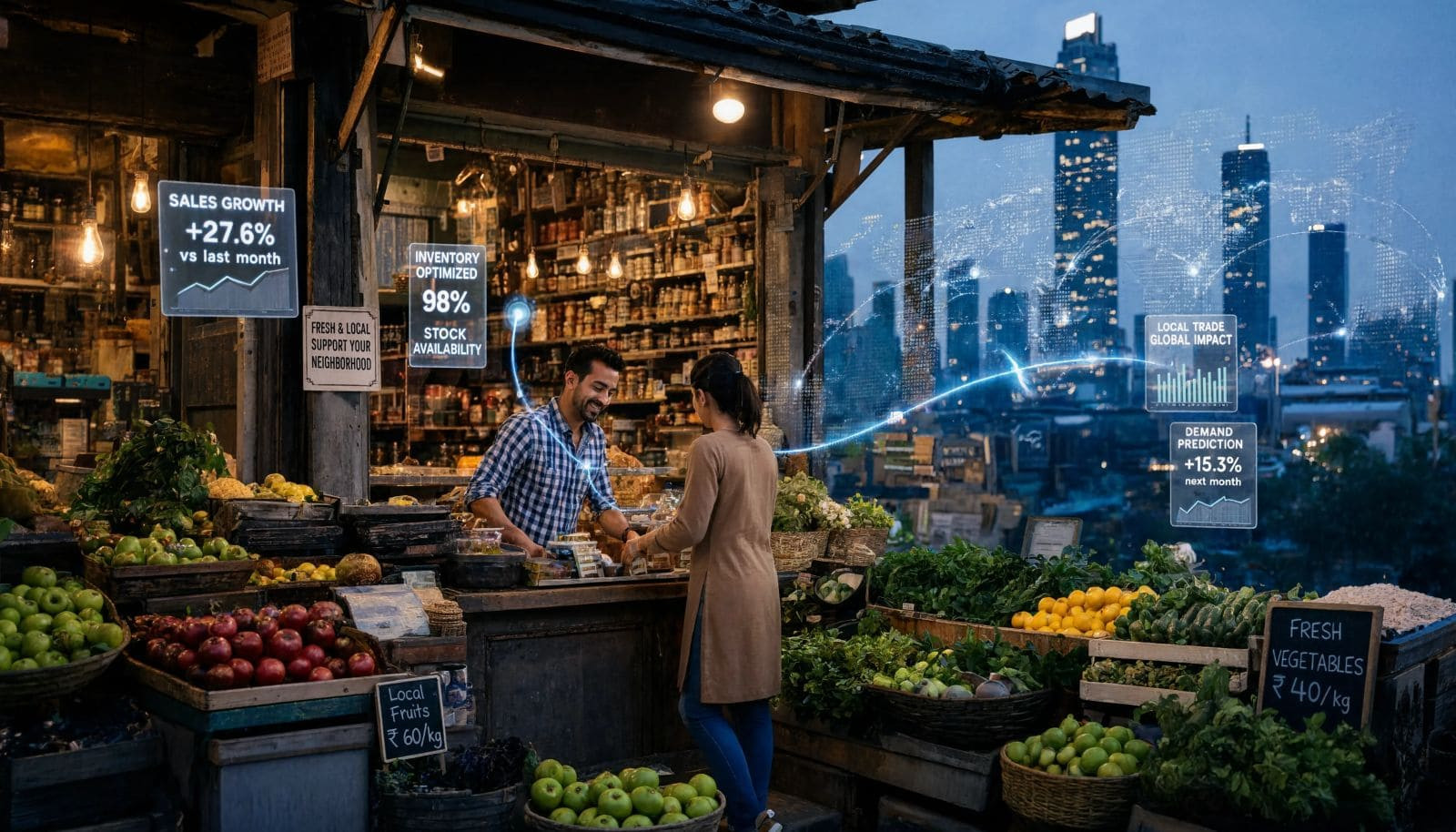
Small Stores Account for Half of the Global Grocery Market
For twenty years, the business press has been repeating the same thesis: retail chains will inevitably displace small independent stores. Hypermarkets replaced supermarkets, discounters began eating hypermarkets, and e-commerce will replace everything. The history of grocery retail development is presented as linear—from the chaos of fragmented trade to an ideally consolidated market.
This story is incomplete. And upon closer inspection, it is surprisingly oversimplified.
Table of Contents
The Figure Almost Nobody Mentions
The global grocery retail market in 2026 is estimated at $11.9–12.7 trillion, depending on the methodology: Persistence Market Research reports $11.9 trillion by 2026, while Dojo Business projects $12.67 trillion in 2025. Modern organized retail (chains, hypermarkets, supermarkets, discounters) accounts for approximately 55–60% of this volume.
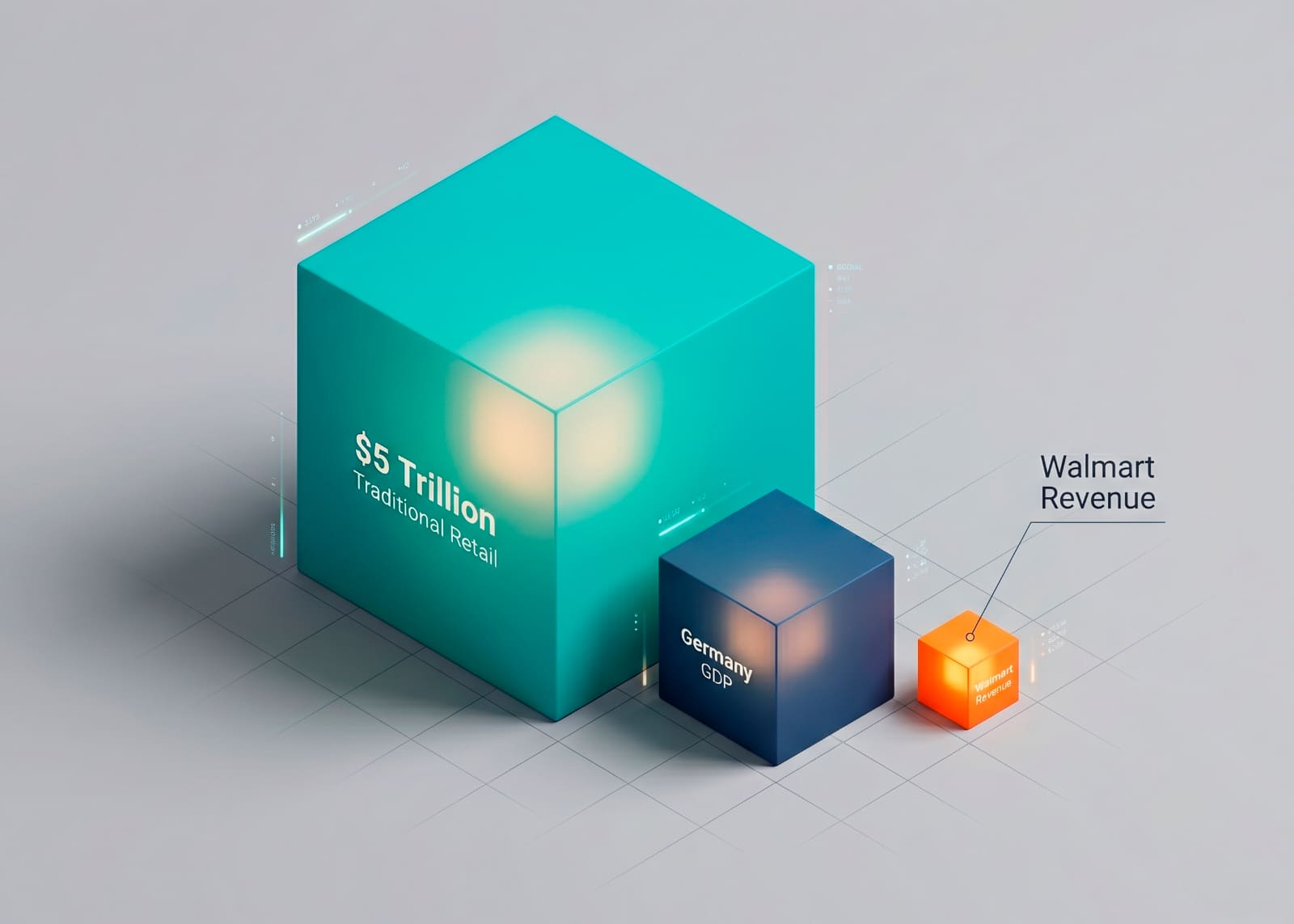
Simple arithmetic yields an equation that executives of major chains prefer to ignore:
Small, traditional, independent retail accounts for approximately 40–45% of the global grocery market—about $4.7–5.3 trillion per year.
This exceeds the nominal GDP of Germany ($4.26 trillion according to the World Bank and IMF). It is approximately 7–7.4 times larger than the annual revenue of Walmart— $713.2 billion (fiscal year 2026, ending January 31, 2026). And this market serves about two-thirds of the world's population—around 5.4 billion people.
When Chains Were Predicted to Win—And What Went Wrong
The forecast was consistent. In the 1990s, McKinsey, BCG, and most industry analysts predicted that the entry of global chains—Ahold, Aldi, Auchan, Carrefour, Tesco, Walmart, Metro—into emerging markets would lead to the demise of traditional retail within one to two decades. The "like London in 15 years" scenario was applied to every country in the world.
By 2025, the verdict is clear: the prediction did not come true. Global retail giants face serious challenges with profitable growth in most emerging markets.
Carrefour exited India in 2014, closing 5 cash & carry stores. However, in September 2024, Carrefour announced a strategic return to the Indian market through a franchise partnership with Dubai's Apparel Group, with the first stores opening in the summer of 2025. This demonstrates a new trajectory: instead of capital-intensive direct presence, flexible local partnerships are favored.
Tesco completed the sale of its businesses in Thailand and Malaysia in December 2020 for $10.6 billion to the Charoen Pokphand Group conglomerate. This concluded Tesco's 22-year presence in Asia.
Walmart closed operations in Germany (July 2006, sold to Metro AG), exited South Korea (May 2006, sold to Shinsegae for $882 million), as well as Brazil (August 2018) and Argentina (November 2020). The exit process from Japan, where Walmart operated the Seiyu chain, was fully completed only in 2025: in March 2025, KKR and Walmart signed an agreement to sell Seiyu to the Japanese operator Trial Holdings, under which Walmart divested its remaining 15% stake.
Metro AG, on the contrary, demonstrates growth in Eastern Europe. In 2019, the Metro PROPERTIES division executed a sale-and-leaseback transaction, selling the real estate of 11 hypermarkets in Poland, Hungary, and the Czech Republic. The shopping centers themselves continued operations, while Metro redirected the freed-up capital toward the accelerated development of its high-margin B2B delivery segment. In Q1 FY24/25, sales in the East segment grew by 12.9% in local currency, with overall sales growth at 7.1%. The company is not reducing its presence in the region—it is optimizing and expanding it.
Meanwhile, traditional retail has not only survived but has also strengthened in certain segments.
The Geography of Parity: Where Small and Large Coexist
Most of humanity lives in countries where small retail either dominates or maintains parity with chains. However, it is crucial to distinguish between the physical retail format and the ownership structure: a small neighborhood store can be part of a tightly consolidated franchise with centralized supply—and that is already modern retail.
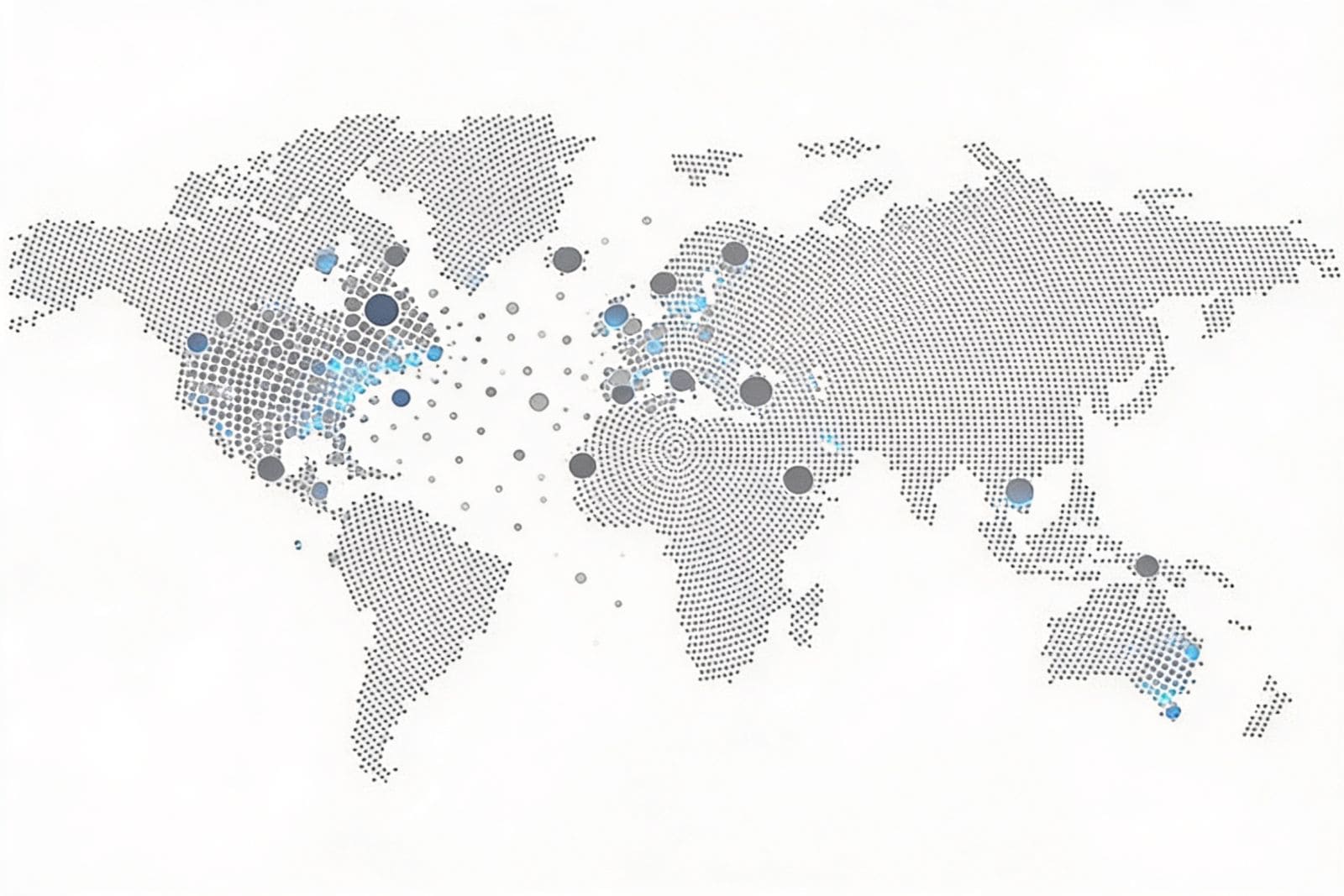
Countries Where Small Retail Dominates (60%+ of the Market)
India, Indonesia, Pakistan, Bangladesh, Vietnam, the Philippines, Cambodia, Nigeria, Kenya, Ethiopia, Egypt, Morocco, most Sub-Saharan African countries, Uzbekistan, Tajikistan, Kyrgyzstan, Iran, Iraq.
- India: 12–13 million stores of the kirana format serve 88–90% of the country's population. Independent stores form the foundation of grocery retail.
- Indonesia: Traditional channels (warung, markets, kiosks) remain dominant in FMCG sales, especially in rural and suburban areas. The country's geographical structure, spanning over 17,000 islands, generates colossal logistics costs— 14.3% of GDP (compared to <10% in developed countries). This acts as a natural barrier to the expansion of large chains: creating centralized distribution centers to serve remote islands is economically inefficient.
- Sub-Saharan Africa: Informal and semi-formal trade dominates the distribution of agricultural products ( 70–100% depending on the country). In the FMCG segment, the share of informal retail is estimated at 70–80%.
Collectively, around 4.2–4.5 billion people.
Countries with Parity (40–60% Small Retail)
Mexico, Brazil, Colombia, Peru, Argentina, Turkey, Greece, Portugal, Romania, Bulgaria, Hungary, Serbia, North Macedonia, Thailand, Malaysia, South Africa, Jordan, Lebanon.
Around 1.5 billion people.
An important clarification regarding Italy and Spain: small independent shops predominate on the streets of these countries, which formally places them in the parity zone. However, over the past fifteen years, a deep "hidden consolidation" has occurred here. Most private shopkeepers are united in powerful purchasing cooperatives and associations, such as Conad in Italy or Eroski in Spain. These structures carry out centralized procurement, conduct unified negotiations with multinational manufacturers, and provide their participants with a ready-made logistics infrastructure. While remaining legally independent, operationally these outlets function within modern retail systems.
Countries Where Chains Dominate (80%+)
United Kingdom, Germany, the Netherlands, Belgium, Switzerland, Scandinavia, Austria, the United States, Canada, Australia, Japan, South Korea, Singapore, Hong Kong.
An important clarification regarding Poland: in this country, the key player in the proximity segment is the small store chain Żabka, with over 10,000 locations. Despite the physical size of the outlets, Żabka is a tightly consolidated, high-tech franchise system with centralized supply, unified pricing, and an end-to-end IT infrastructure. From a market classification standpoint, this is classic organized modern trade. The share of pure, unorganized traditional retail in Poland is less than 20–25%.
Around 1 billion people.
It is worth reflecting on this distribution. The familiar picture—"the whole world is consolidating"—is primarily shaped by media and analytics from the third group of countries. Yet these countries account for less than 15% of the global population.
Small retail is not an anomaly. It is the norm for most of humanity.
Why Small Retail Is Here to Stay
The reasons are structural, not temporary.
Logistics and infrastructure. A suburban hypermarket only works with good roads, mass motorization, and suburban housing with storage space for a weekly purchase. In most developing nations, none of these conditions are met. A buyer in Delhi or Lagos physically cannot travel to a hypermarket—they may not have a car, and if they do, they get stuck in traffic for an hour.
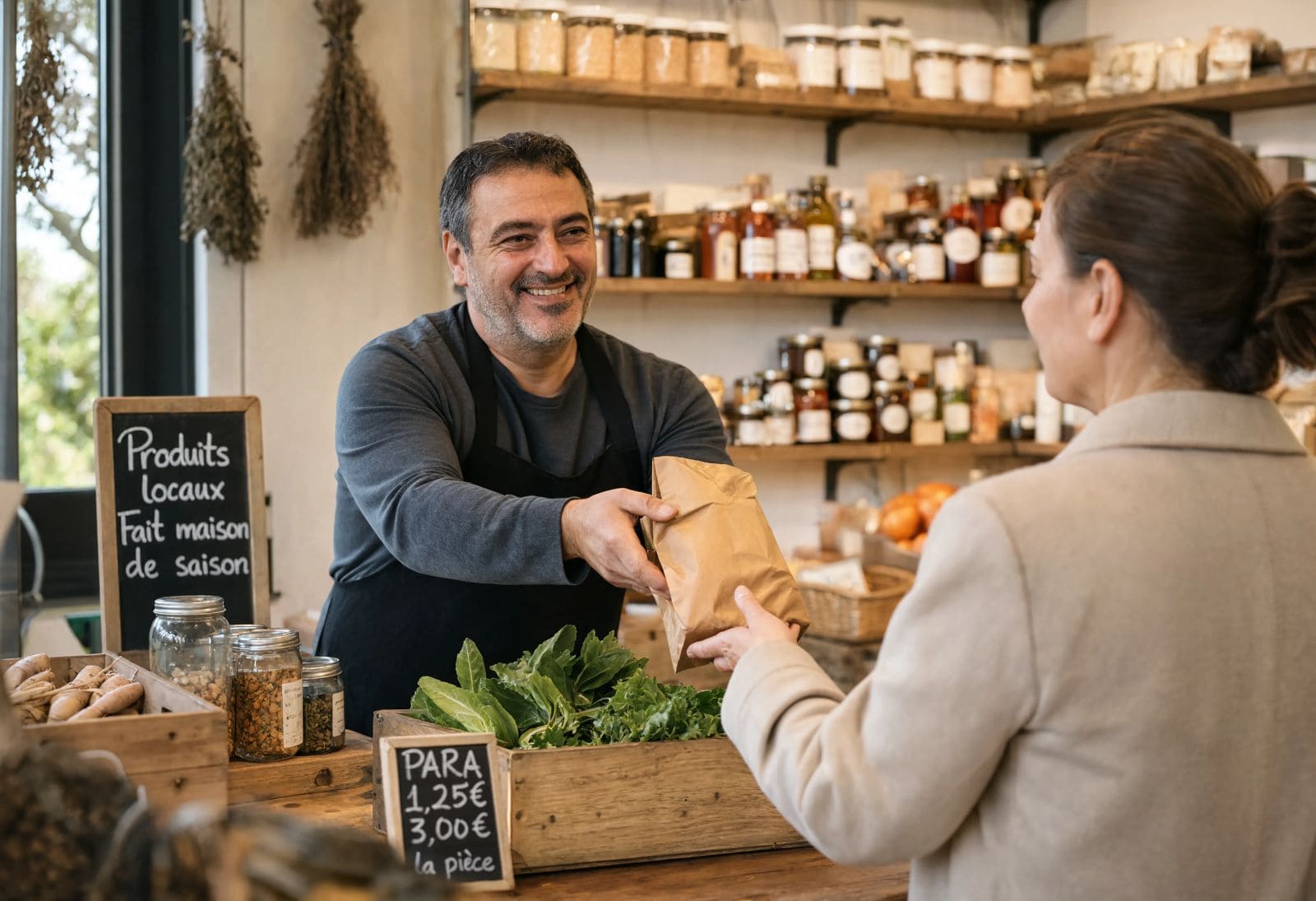
Purchase size and frequency. In low- and middle-income countries, purchases are made for the day, not the week. Shampoo is bought in sachets for five cents, not in bottles for five dollars. The consumption volumes of packaged goods are fundamentally different. This model does not fit the hypermarket format.
Credit relations. Small stores in Latin America (tiendas), India (kiranas), and Africa sell "on credit until payday." This is a critically important financial function in societies with limited access to banking. No retail chain can replicate this system of trust.
Proximity. A store 200 meters from home versus a hypermarket five kilometers away—for impulse and everyday purchases, this is the deciding factor. It remains unchanged by either digitalization or urbanization.
Freshness and cultural code. In Italy, Greece, Turkey, Mexico, the Balkans, and Central Asia, going to the market for fresh fish, meat, and bread is part of the culture. This habit is not broken by economic logic.
Regulatory protection. Italy, France, and Spain have for decades passed laws restricting the opening of hypermarkets to protect city centers. These shields remain in place and are being reinforced at the EU level through the concept of the "15-minute city"—minimizing car use and developing local pedestrian zones.
What This Means for Producers and Suppliers
This is where the practical part begins, which is rarely discussed publicly.
If you are a food manufacturer, exporter, importer, or a representative of a regional brand—nearly half of your potential global market is not covered by classic distribution channels.
Large distributors—Sysco, Bidfood, Metro Cash & Carry, and their regional equivalents—primarily serve modern retail. They target major tenders, private labels, high-volume SKUs, and standardized logistics.
There is a massive gap between them and small retail. A small retailer in Istanbul, a restaurateur in Berlin, an ethnic supermarket owner in Amsterdam, a wholesaler in Almaty—each of them needs a specific assortment that does not fit into the standard catalog of a national distributor. Each of them purchases in quantities that are too small for a direct contract with the manufacturer. As a result, each relies on a chain of 3–5 intermediaries, which extends lead times, increases prices, and reduces margins.
This is precisely the structural window for a B2B marketplace in the food sector. Not "instead of" classic distribution, but in the niche that classic distribution leaves unattended.
What AllFoods Market Offers to Suppliers
AllFoods Market is a B2B platform through which suppliers gain direct access to thousands of independent retailers and HoReCa operators in several countries simultaneously, bypassing the traditional distribution chain.

Specifically for a manufacturer or exporter, this means:
- Access to fragmented demand without the need to hire individual sales departments in every country. A single profile on the platform reaches dozens and hundreds of active buyers across different regions.
- Transparency and predictability of pricing and timelines. All terms are fixed in the product card. No three levels of negotiations through intermediaries, no gray market, no unexpected markups.
- Compliance, Know Your Customer (KYC) verification, currency conversion, and customs clearance are packaged into a standard process rather than being resolved anew for each transaction.
- Specific niches that are difficult to reach via other channels: ethnic retail in Europe, specialized gourmet stores, the HoReCa segment in Central Asia, and regional chains in Latin America.
This works exceptionally well for suppliers with a specific, regionally distinct assortment: producers from Uzbekistan, Kazakhstan, Turkey, Georgia, Armenia, Latin America, and Southeast Asia. Those whose products have a specific, identifiable market in the form of a diaspora or a gastronomic niche—yet are geographically dispersed and therefore invisible to classic distribution.
Joint Procurement: Wholesale Terms for Small Buyers
The main barrier for a small retailer in the import market is not just customs and currency, but also the minimum order quantity (MOQ). A manufacturer or wholesale importer will not ship a batch of 50 kg or 5 boxes: logistics, certification, and customs clearance are unprofitable at small volumes. As a result, small businesses either overpay intermediaries or are left without the necessary assortment.
The "Joint Procurement" module on AllFoods.Market solves this problem by consolidating demand. The platform aggregates orders from dozens of small buyers—restaurateurs, retail store owners, neighborhood chains—into a single shipment. The supplier receives a guaranteed volume and saves on logistics: one shipment instead of a dozen small deliveries. Each buyer purchases exactly what is required, without freezing capital in excess inventory.
For the supplier, this means access to fragmented demand without the need to service micro-orders individually. For the buyer, it means access to an imported assortment on terms previously available only to large chains.
Resolving the Import Paradox for Micro-Retail
In real international trade practice, small independent retailers or restaurateurs are physically and legally deprived of the opportunity to independently conduct foreign economic activity.
AllFoods Market is not just a platform for finding suppliers, but a service that helps organize the entire international procurement process. The platform:
- consolidates small orders from different buyers into large batches, reducing shipping costs;
- verifies transaction participants and compliance with necessary requirements;
- makes purchasing imported goods as simple as ordering from a local supplier.
Monetization Model with No Hidden Commissions
AllFoods Market operates on a subscription model: the supplier pays a fixed annual subscription and gains access to the entire market. We do not take a percentage from transactions. Classic marketplaces retain between 15% and 25% of each sale in commission fees, making the export of food products (traditionally a low-margin segment with a high share of logistics costs) economically non-viable. A fixed annual subscription allows manufacturers to clearly plan their promotion budget, maintain high profit margins in fragmented markets, and directly pass on savings in price to the end buyer.
Getting Connected
If you manufacture, export, or distribute food products and see your product in one of the niches of small and independent retail—regional, ethnic, specialized—we would be delighted to welcome you to the platform.
Supplier registration is on the page allfoods.market. After profile verification and catalog upload, your products become available to buyers in Europe, Central Asia, the CIS, and beyond.
The world of B2B food sales is changing. Nearly half of the market, which did not exist in traditional analytics, is beginning to get its own infrastructure. And this infrastructure is digital.
If this article was helpful, please share it with your colleagues and subscribe to the AllFoods Market blog to receive new analytical materials about the B2B food market.
Latest blog posts
-
Top 10 Supermarket Chains in Austria: A Brief Overview
Austria’s grocery retail market brings together national chains, international groups, discounter...
-
Top 10 Supermarket Chains in Belgium: A Brief Overview
Belgium’s grocery retail sector brings together national chains, international groups, discounter...
-
Olive Oil Producers in Spain for B2B Sourcing
Spain's olive oil sector combines cooperative mills, industrial processors, refiners, bottlers, a...
-
Top 10 Largest Grocery Chains in Italy
Italy’s grocery market is divided among cooperative groups, national supermarket brands, internat...
-
Top 10 Largest Grocery Chains in Sweden: A Brief Overview
An overview of Sweden's largest grocery retail chains, including store formats, geographic covera...


Categories
- Reviews of products and manufacturers
- Allfoods Market System Features
- Market Insights
- Food Technologies
Latest posts in partners' blogs
-
Uzbekistan Food Exports and Key Markets
Uzbekistan’s food exports are expanding well beyond fresh produce. Fruit, vegetables, flour, mung...
-
Kazakhstan Food and Agricultural Exports
Kazakhstan’s export offer extends well beyond wheat and other grains. International buyers can al...
-
Alpine Beef Ribeye: The Pinnacle of Flavor and Excellence for Your HoReCa and Retail Business
The Perfect Steak Starts with a Name: Alpine
-
Uganda Agricultural Exports and Key Products for B2B Sourcing
Uganda’s agricultural export profile is dominated by coffee, but the commercial picture is broade...
-
Food Exports from Morocco
Morocco’s food export profile extends well beyond citrus and olive oil. Fresh tomatoes, berries, ...